Freekeh: The Smoky, Roasted Green Wheat
Freekeh is young wheat harvested green and roasted over open flames. Learn about this smoky Middle Eastern grain's nutrition, cooking, and unique flavor.
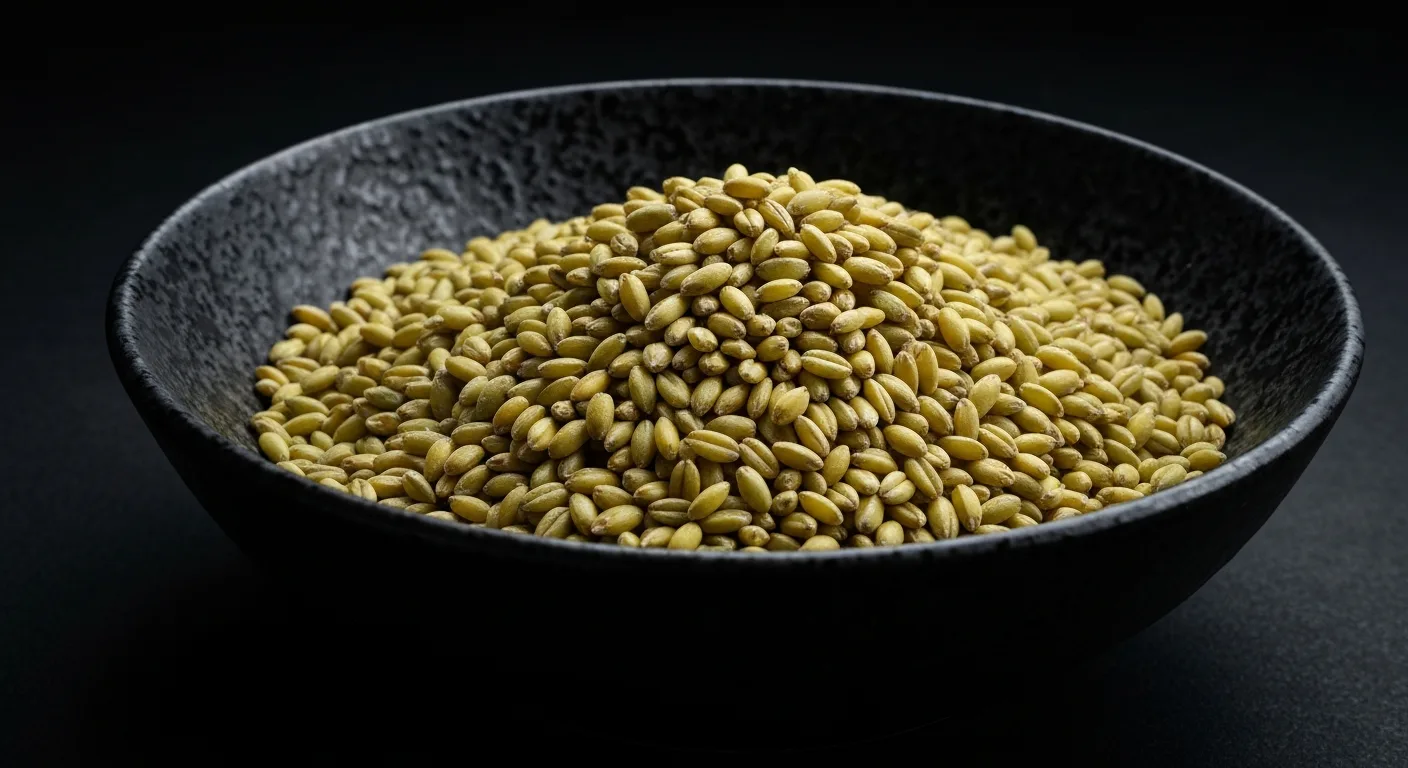
Most grains are harvested when they are fully mature: dry, hard, and golden. Freekeh breaks this rule entirely. It is young wheat, harvested while the grains are still soft and green, then set on fire. The result is a grain unlike any other: smoky, earthy, nutritionally dense, and with a flavor complexity that has captivated cooks across the Middle East for centuries and is now winning converts worldwide.
What Is Freekeh?
Freekeh (also spelled farik, frik, or firik) is not a species of grain but a preparation method applied to young wheat, specifically young durum wheat (Triticum turgidum var. durum). The word derives from the Arabic faraka, meaning “to rub,” which describes the final step in its traditional processing.
The process that creates freekeh is deceptively simple and remarkably clever:
-
Early harvest. Durum wheat is harvested while the kernels are still in the “green” or “milk” stage: soft, moist, and not yet fully mature. At this stage, the grains contain more moisture, more protein, and more fiber than they will at full maturity.
-
Burning. The harvested wheat, still in its stalks and chaff, is piled and set alight. The dry outer chaff burns quickly and intensely, but the high moisture content of the immature green kernels prevents them from burning. The fire roasts the grain without consuming it. This selective combustion that requires considerable skill to execute properly.
-
Rubbing. After the fire subsides, the charred chaff is rubbed away from the roasted green kernels, the faraka that gives freekeh its name. Traditionally this was done by hand; modern production may use mechanical threshers.
-
Drying. The cleaned green kernels are sun-dried to reduce moisture for storage.
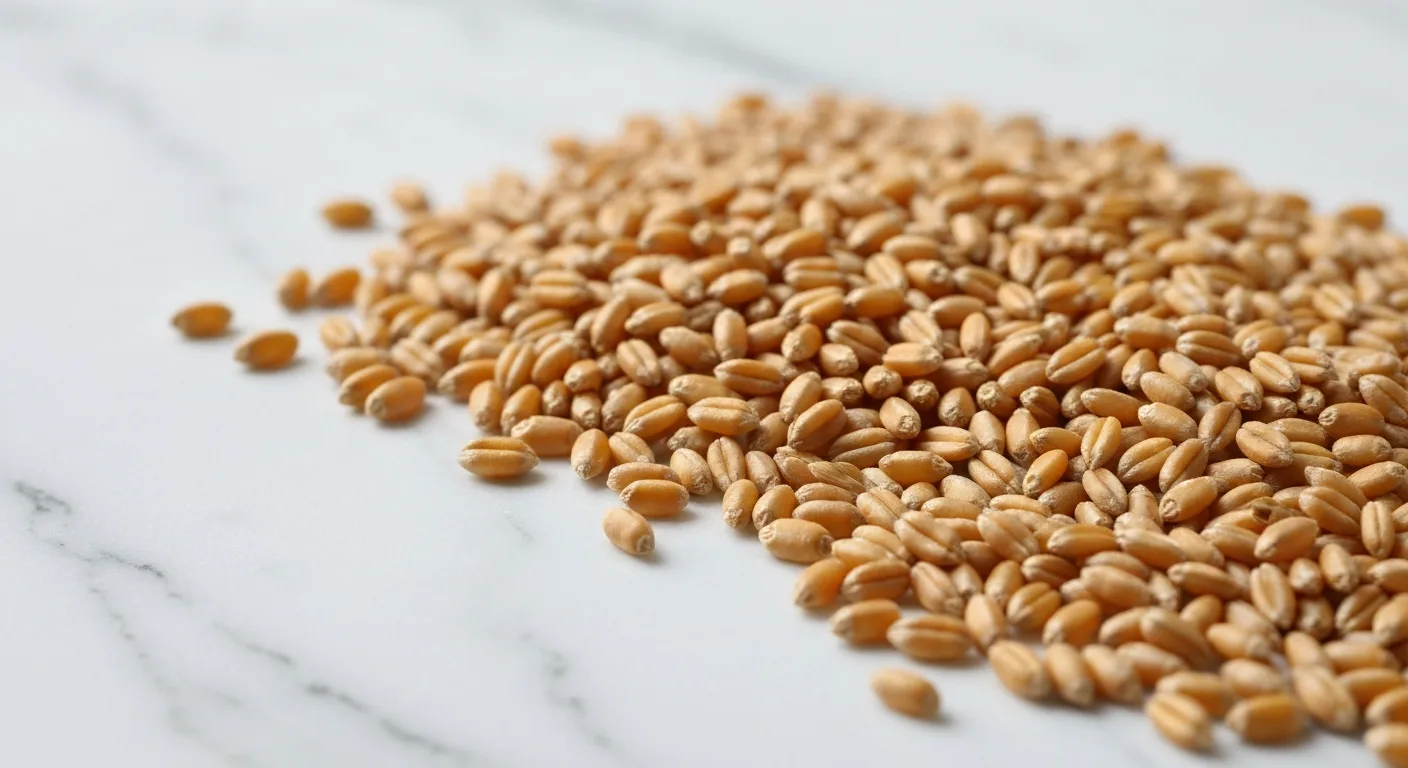
The result is a grain with a distinctive greenish-gold color, a firm chewy texture, and a flavor profile that is entirely unique: smoky from the fire, earthy from the green harvest, and nutty from the roasting. No other grain replicates this combination.
A Levantine Tradition
Freekeh has been made in the eastern Mediterranean and Middle East for at least several hundred years, and likely much longer. Its production is centered in the Levant (Syria, Lebanon, Jordan, Palestine) as well as Egypt, Tunisia, and parts of Turkey. The legend of freekeh’s origin, told across the region, involves a village whose wheat fields were set ablaze by an invading army. The villagers, desperate to salvage their crop, discovered that the burned green kernels were not only edible but delicious.
Whether the origin story is literal history or culinary mythology, freekeh occupies an important place in Levantine food culture. It is a traditional ingredient in celebratory dishes, particularly stuffed chicken or lamb with freekeh, served at weddings, religious holidays, and family gatherings across the region.
In Egypt, freekeh soup (shorbet freekeh) is a classic Ramadan dish, often served as the first course to break the fast. In Palestinian cuisine, freekeh pilaf is a fixture of festive meals. In Lebanese cooking, freekeh appears in salads, soups, and stuffings. The grain is woven into the culinary identity of the region in a way that transcends simple nutrition.
Cracked vs. Whole Freekeh
Freekeh is sold in two forms, and the distinction significantly affects cooking time and texture:
Cracked Freekeh
The roasted green kernels are cracked into smaller pieces, similar to bulgur wheat. Cracked freekeh cooks faster (12-15 minutes), has a softer texture, and works well in pilafs, salads, and as a quick side dish. This is the more commonly available form in Western grocery stores.
Whole Freekeh
The roasted kernels remain intact. Whole freekeh takes longer to cook (25-40 minutes) but rewards with a more substantial, chewier texture and deeper, more complex flavor. It is preferred for dishes where the grain is the centerpiece: pilafs, stuffings, and grain bowls.
Both forms deliver the characteristic smoky flavor, but whole freekeh is generally considered the superior product for its texture and flavor depth.
Freekeh Nutrition: The Green Harvest Advantage
Freekeh’s early harvest is not just a flavor decision; it has significant nutritional implications. Because the grain is harvested while still immature, before the starch fully develops, freekeh contains substantially more protein, more fiber, and fewer simple carbohydrates than mature wheat.
Here is what a one-cup serving (about 160 grams) of cooked freekeh provides:
- Calories: 200
- Protein: 8 grams
- Fat: 1 gram
- Carbohydrates: 38 grams
- Fiber: 8 grams
- Iron: 2 mg (11% DV)
- Magnesium: 50 mg (12% DV)
- Zinc: 1.5 mg (10% DV)
- Niacin (B3): 3 mg (19% DV)
Exceptional Fiber Content
Freekeh’s fiber content is its most remarkable nutritional attribute. At approximately 8 grams per cooked cup, freekeh contains up to four times more fiber than brown rice and roughly double the fiber of quinoa or mature wheat. This exceptional fiber density is a direct consequence of the green harvest: immature grains have proportionally more fiber (cell wall material) and less starch than fully mature kernels.
The fiber in freekeh includes both soluble and insoluble fractions, as well as resistant starch. This combination supports digestive health, promotes beneficial gut bacteria, enhances satiety, and contributes to stable blood sugar levels. For more on fiber in heritage grains, see our article on ancient grains and fiber.
Protein Content
With approximately 8 grams of protein per cooked cup and a dry-weight protein content of around 12-14%, freekeh provides more protein than most other grain preparations. Like all wheat products, freekeh protein is limited in lysine but rich in other essential amino acids. The early harvest contributes to the elevated protein density.
Low Glycemic Index
Freekeh has a low glycemic index, measured at approximately 43 in most studies, making it one of the lowest-GI grain products available. The combination of high fiber, resistant starch, and relatively low available carbohydrate content means that freekeh produces a slow, steady blood sugar response rather than a sharp spike and crash. This makes it particularly valuable for people managing type 2 diabetes or insulin resistance.
Prebiotic Properties
Research has identified significant prebiotic activity in freekeh. The resistant starch and certain fiber fractions in freekeh serve as substrates for beneficial gut bacteria (particularly Bifidobacterium and Lactobacillus species), promoting a healthy gut microbiome. This prebiotic effect has been demonstrated in multiple laboratory and clinical studies.
For a broader nutritional comparison across heritage grains, visit our ancient grains nutrition guide.
Freekeh Contains Gluten
Freekeh is made from wheat, and it contains gluten. It is not safe for people with celiac disease or wheat allergy. Despite its ancient preparation method and unique processing, freekeh contains the same gluten-forming proteins found in mature durum wheat.
The roasting process does not denature or destroy gluten proteins. Some traditional preparations involve fermentation, which can reduce gluten content to some degree, but not to levels that would be safe for celiac patients.
For those who can tolerate gluten, freekeh offers a nutritionally superior alternative to many common wheat products: more fiber, more protein, and a lower glycemic impact than standard wheat preparations.
How to Cook Freekeh
Freekeh is straightforward to cook and very forgiving. It is difficult to overcook into mush, maintaining its pleasant chewiness across a range of cooking times. For more methods and recipe ideas, see our cooking ancient grains guide.
Cracked Freekeh (Quick Method)
- Rinse 1 cup cracked freekeh under cold water.
- Combine with 2 cups water or broth in a saucepan.
- Bring to a boil, reduce heat to low, cover, and simmer for 12-15 minutes.
- Remove from heat, fluff with a fork, and let rest for 5 minutes.
Whole Freekeh
- Rinse 1 cup whole freekeh.
- Optional but recommended: soak for 1-2 hours to reduce cooking time.
- Combine with 2.5 cups water or broth.
- Bring to a boil, reduce heat to low, cover, and simmer for 25-40 minutes (depending on soaking and desired tenderness).
- Drain any excess liquid and fluff.
Pilaf Method
The most traditional and arguably the best way to prepare freekeh:
- Heat 2 tablespoons olive oil or butter in a heavy saucepan.
- Saut onion until golden. Add spices (cumin, cinnamon, allspice, cardamom, the classic Levantine combination).
- Add rinsed freekeh and stir to coat in the oil and spices for 1-2 minutes.
- Add hot broth (chicken or vegetable), bring to a boil, reduce heat, cover, and simmer until tender.
- Rest for 10 minutes, then fluff and serve.
This method produces freekeh at its absolute best: each grain infused with spice and fat, the smoky flavor amplified by the toasting step.
Flavor Profile and Culinary Uses
Freekeh’s flavor is its most distinctive attribute and the primary reason for its growing popularity. The taste is layered and complex:
- Smoke - the dominant note, from the traditional burning process. It ranges from subtle to pronounced depending on the producer.
- Earth - a green, vegetal quality from the immature harvest, reminiscent of green tea or fresh herbs.
- Nut - a warm, toasty nuttiness from the roasting.
- Grain - a clean, wheaty base flavor underneath the more dramatic top notes.
This flavor complexity makes freekeh exceptionally versatile:
Pilafs and grain bowls. Freekeh pilaf is the classic preparation: simple, elegant, and showcasing the grain’s natural smokiness. Pair with roasted vegetables, grilled meats, or yogurt-based sauces.
Salads. Cooled freekeh makes an outstanding base for grain salads. Toss with fresh herbs (mint, parsley, dill), pomegranate seeds, cucumber, tomatoes, and a lemon-olive oil dressing. The smoky flavor adds a dimension that other grain salads lack.
Soups. Freekeh soup is a Levantine classic. Simmer freekeh in chicken broth with onion, cinnamon, and allspice for a deeply comforting, nourishing soup. Egyptian shorbet freekeh often includes shredded chicken and a squeeze of lemon.
Stuffings. Use freekeh as a stuffing for chicken, lamb, peppers, or squash. Its robust flavor stands up to bold spices and rich meats.
Risotto-style. Cook freekeh risotto-style, adding warm broth gradually and stirring, for a creamy, smoky alternative to traditional risotto. Finish with Parmesan or goat cheese.
Breakfast. Cooked freekeh with warm milk, honey, and nuts makes a substantial, high-fiber breakfast with an intriguingly smoky character.
Freekeh vs. Bulgur
Since both are wheat products common in Middle Eastern cuisine, the comparison is natural. Bulgur is made from mature wheat that has been parboiled, dried, and cracked. Freekeh is made from immature wheat that has been fire-roasted and may be cracked or left whole. The differences:
- Flavor: Freekeh is smoky and earthy; bulgur is mild and nutty.
- Fiber: Freekeh has significantly more fiber due to the green harvest.
- Protein: Freekeh has slightly more protein.
- Texture: Freekeh is chewier and more substantial; bulgur is lighter and fluffier.
- Cost: Freekeh is considerably more expensive due to its labor-intensive production.
Both are valuable pantry grains, but they are not interchangeable. Freekeh brings a distinctive character that bulgur cannot replicate.
Buying and Storage
Freekeh is available at Middle Eastern grocery stores, specialty food retailers, and increasingly at well-stocked mainstream supermarkets. Both cracked and whole forms are worth having on hand. Look for brands that use traditional fire-roasting rather than industrial smoking, which produces a more authentic and complex flavor.
Storage: Freekeh keeps well in an airtight container in a cool, dark place for six months to a year. The roasting process actually extends shelf life by reducing moisture and enzyme activity.
Freekeh’s Place Among Ancient Grains
On the ancient grains list, freekeh is unique. It is not a distinct grain species but an ancient processing technique that transforms ordinary young wheat into something extraordinary. Its combination of exceptional fiber content, high protein, low glycemic index, prebiotic properties, and incomparable smoky flavor gives it a profile that no other grain, ancient or modern, can match.
Freekeh represents the ingenuity of traditional food processing at its best: a method born of necessity (or perhaps happy accident) that produces a product nutritionally superior to the mature grain it is made from. In a food system that tends to equate processing with degradation, freekeh is a powerful reminder that the right kind of processing can enhance rather than diminish the food it transforms.
Last updated March 12, 2026
Related reading
Amaranth: Nutrition, Cooking, and History of the Aztec Superfood
Discover amaranth — the tiny grain packed with complete protein, calcium, and iron that sustained the Aztec empire and is now a global superfood.
Einkorn: The World's First Cultivated Wheat
Einkorn is the original domesticated wheat from 10,000 years ago. Discover its unique nutrition, simpler gluten structure, and rich buttery flavor.
Farro: Italy's Beloved Ancient Wheat — Nutrition, Cooking, and Uses
The complete guide to farro — the chewy, nutty Italian grain that comes in three types. Learn about nutrition, cooking methods, and why chefs love it.
Kamut (Khorasan Wheat): The Ancient Egyptian Grain Revived
Kamut is a trademarked brand of khorasan wheat with kernels twice the size of modern wheat. Discover its buttery flavor, nutrition, and fascinating origin story.