Kamut (Khorasan Wheat): The Ancient Egyptian Grain Revived
Kamut is a trademarked brand of khorasan wheat with kernels twice the size of modern wheat. Discover its buttery flavor, nutrition, and fascinating origin story.
Few grains arrive with a story as colorful as Kamut. The official tale involves ancient seeds discovered in an Egyptian tomb, smuggled to Montana by an American airman, and ultimately revived on the high plains of the American West. The reality is more nuanced but no less interesting,and the grain itself, regardless of its precise origin, is genuinely remarkable: large, golden kernels with exceptional protein content, a rich buttery flavor, and a nutritional profile that consistently outperforms modern wheat.
What Is Kamut? Understanding the Name and the Grain
The situation with Kamut is unusual in the grain world because it involves both a botanical identity and a commercial trademark.
The grain is khorasan wheat (Triticum turgidum subsp. turanicum), an ancient tetraploid wheat with 28 chromosomes. Khorasan wheat is closely related to durum wheat and emmer (farro), sharing the same AABB genome structure. It is named after the Khorasan province of Iran (now in northeastern Iran and parts of Afghanistan and Central Asia), a region with a long history of wheat cultivation.
KAMUT (always written in capitals) is a registered trademark owned by Kamut International, a company founded by Bob Quinn, an organic farmer from Big Sandy, Montana. The KAMUT brand guarantees specific quality standards: all KAMUT wheat must be grown organically, must be the khorasan wheat variety, must meet minimum protein and selenium levels, and must never be hybridized or genetically modified.
This distinction matters practically. You can find khorasan wheat that is not branded as KAMUT (and therefore may not be organically grown or held to the same quality standards), and you can find KAMUT brand wheat that carries the full guarantee of the trademark’s requirements. In retail settings, particularly in North America and Europe, “Kamut” has become the common name by which most consumers know this grain.
The Montana Origin Story
The story of how khorasan wheat came to Montana is part of Kamut’s commercial identity, though its details are debated:
In 1949, so the story goes, Earl Dedman, a U.S. airman stationed in Portugal, received 36 large wheat kernels from a fellow serviceman who claimed they had been taken from a stone box inside an Egyptian tomb, purportedly near Dashare. Dedman mailed the kernels to his father, a Montana wheat farmer, who planted them. The seeds grew, but with no market for the unusual grain, interest faded. The grain was displayed at county fairs as a novelty (“King Tut’s Wheat”) and eventually forgotten.
Decades later, in the early 1980s, Bob Quinn encountered some of these surviving kernels and was struck by their size and potential. A trained plant biochemist as well as a farmer, Quinn recognized the grain as an ancient wheat variety worth developing. He spent years selecting and stabilizing the grain, conducting nutritional analyses, and building a market. In 1990, he received the KAMUT trademark and launched the brand with strict organic and quality requirements.
The Egyptian tomb origin has been met with scientific skepticism. Grain seeds are generally not viable after thousands of years, and the most likely explanation is that the original kernels came from a local Middle Eastern or Central Asian grain market rather than an ancient tomb. Genetic analysis has confirmed the grain as khorasan wheat, a variety that has been continuously cultivated in parts of Iran, Turkey, and Central Asia.
Regardless of its exact provenance, Quinn’s contribution is significant: he preserved, standardized, and popularized a genuinely ancient wheat variety that might otherwise have been lost to commercial agriculture.
The Kernels: Twice the Size of Modern Wheat
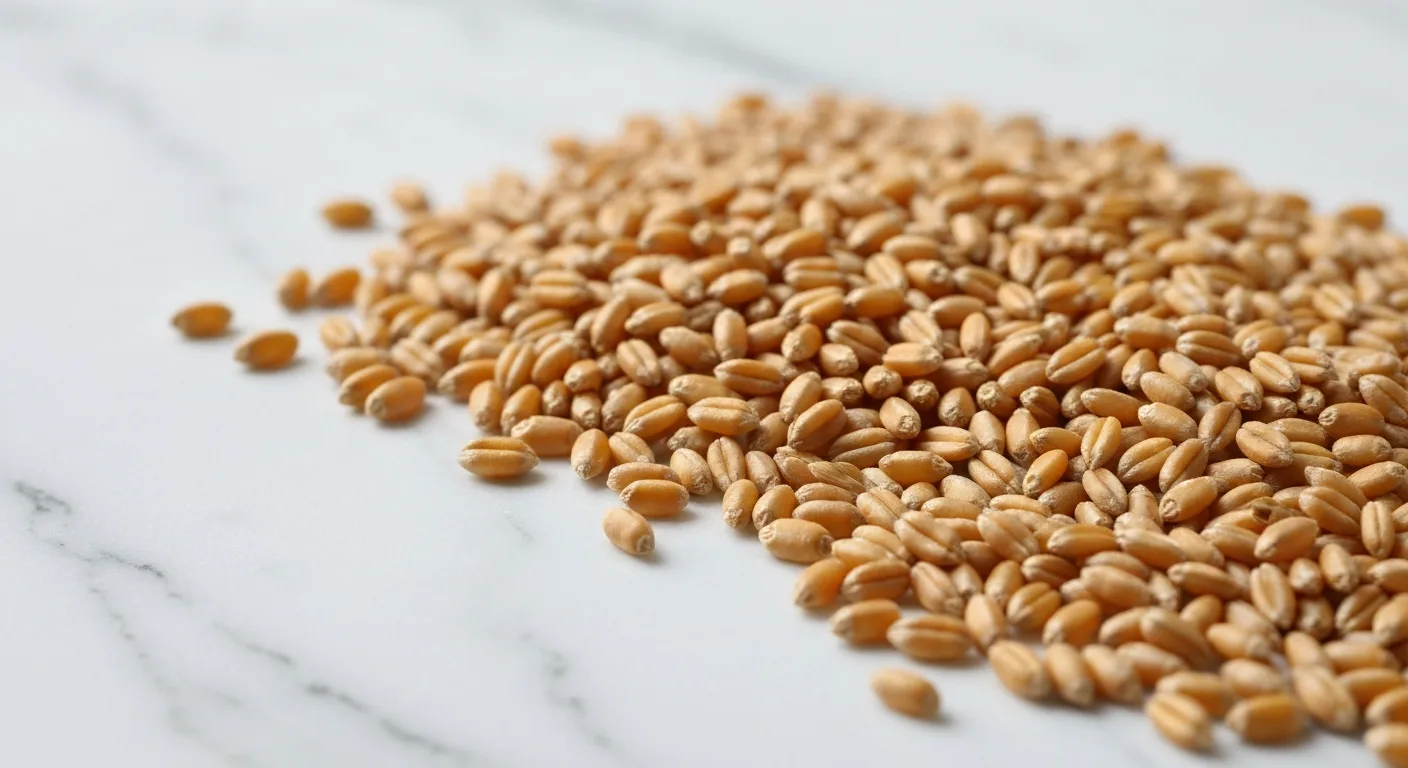
One of the first things you notice about Kamut is the sheer size of its kernels. Khorasan wheat berries are roughly twice the length and two to three times the weight of standard bread wheat kernels. They are long, slender, and distinctly curved, almost hump-backed in profile, with a rich golden-amber color.
This large kernel size is not just cosmetic. The greater endosperm-to-bran ratio contributes to Kamut’s distinctive texture and cooking properties, and the overall grain architecture reflects a wheat that has not been bred for the compact, high-tillering, short-strawed characteristics that define modern varieties.
Kamut Nutrition: Premium Across the Board
Kamut’s nutritional profile has been studied extensively, partly due to Kamut International’s investment in research and partly because the results are genuinely impressive. Here is what a one-cup serving (about 172 grams) of cooked Kamut provides:
- Calories: 227
- Protein: 9.8 grams
- Fat: 1.4 grams
- Carbohydrates: 47.5 grams
- Fiber: 7.4 grams
- Iron: 3.7 mg (21% DV)
- Magnesium: 83 mg (20% DV)
- Phosphorus: 254 mg (20% DV)
- Selenium: 53 mcg (76% DV)
- Zinc: 3.7 mg (25% DV)
- Manganese: 2.2 mg (96% DV)
- Niacin (B3): 5.5 mg (34% DV)
- Thiamine (B1): 0.2 mg (13% DV)
High Protein
Kamut’s protein content is one of its standout features. At 14-15% protein by dry weight (and the KAMUT trademark requires a minimum of 12%), khorasan wheat consistently exceeds modern bread wheat (10-13%). Some lots have been measured at over 16% protein. This makes Kamut one of the highest-protein wheats available, comparable to einkorn and exceeding farro and spelt in most comparisons.
The protein quality is typical of wheat: rich in glutamic acid, proline, and most essential amino acids, but limited in lysine. Combining Kamut with legumes provides complete amino acid coverage.
Selenium Superstar
Perhaps the most striking nutritional feature of Kamut is its selenium content. A single cooked cup provides over 75% of the daily value for selenium, far more than virtually any other grain. Selenium is an essential trace mineral that serves as a cofactor for glutathione peroxidase (a critical antioxidant enzyme), supports thyroid function, and plays roles in immune defense and reproductive health.
The Montana soils where much of the world’s KAMUT brand wheat is grown are naturally selenium-rich, which contributes to the grain’s exceptional selenium levels. The KAMUT trademark requires minimum selenium levels, ensuring consistent delivery of this important mineral.
Zinc and Magnesium
Kamut provides significantly more zinc than modern wheat, approximately 25% of the daily value per cooked cup. Zinc is essential for immune function, wound healing, DNA synthesis, and taste perception. Zinc deficiency affects an estimated two billion people worldwide, making zinc-rich foods like Kamut particularly valuable.
Magnesium content is also robust, supporting hundreds of enzymatic reactions in the body including energy production, muscle function, and blood sugar regulation.
Anti-Inflammatory Properties
Multiple clinical studies have specifically examined the health effects of replacing modern wheat products with KAMUT brand wheat in otherwise identical diets. The results have been remarkably consistent:
- A 2013 study in the European Journal of Clinical Nutrition found that participants who replaced all wheat products with KAMUT for eight weeks showed significant reductions in total cholesterol, LDL cholesterol, and several inflammatory markers (including TNF-alpha, IL-6, and IL-12).
- A 2014 study in the British Journal of Nutrition found that a KAMUT replacement diet significantly reduced oxidative stress markers in patients with type 2 diabetes compared to an identical diet using modern wheat.
- A 2017 study showed that replacing standard wheat with KAMUT in the diet of patients with irritable bowel syndrome (IBS) produced significant improvements in symptoms and inflammatory markers.
These studies suggest that the benefits of Kamut extend beyond its superior nutrient profile to include anti-inflammatory and antioxidant effects that modern wheat does not provide to the same degree.
For detailed nutritional comparisons, see our ancient grains nutrition guide.
Kamut Contains Gluten
Like all wheat species, Kamut contains gluten and is not safe for people with celiac disease. The gluten in khorasan wheat is structurally similar to that in durum wheat; both are tetraploid wheats sharing the same genome type.
However, the clinical studies cited above, particularly the IBS study, suggest that Kamut may be better tolerated than modern wheat by some individuals with digestive sensitivities (not celiac disease). The mechanisms are not fully understood but may relate to the different composition of gluten proteins, the overall anti-inflammatory profile, or other factors that distinguish ancient from modern wheat.
As with all ancient wheats, the key distinction is between celiac disease (an autoimmune condition triggered by gluten, for which Kamut is absolutely unsafe) and non-celiac wheat sensitivity (a less well-defined condition where some individuals may tolerate ancient wheats better). For more on this topic, see our guide to ancient grains vs. modern wheat.
Flavor Profile: Rich, Buttery, and Sweet
Kamut’s flavor is one of its most appealing attributes. The cooked grain has a rich, buttery, slightly sweet taste that is markedly more complex than standard wheat. Many people describe it as having notes of butter, cashew, and honey. The texture of cooked Kamut berries is firm and chewy, satisfying and substantial, with a pleasant bite that holds up well in salads and grain bowls.
Kamut flour produces baked goods with a warm, golden color (from the grain’s natural carotenoid content) and a richer flavor than standard wheat flour. Kamut pasta is particularly prized; its buttery flavor and slightly firmer texture produce a pasta experience that stands apart from conventional wheat pasta.
Cooking and Culinary Uses
Cooking Whole Kamut Berries
Kamut berries are large and dense, requiring longer cooking times than smaller grains. Soaking significantly reduces cooking time and improves texture.
- Soak 1 cup Kamut berries overnight (8-12 hours) in plenty of water.
- Drain and rinse.
- Combine with 3 cups fresh water or broth.
- Bring to a boil, reduce heat to low, cover, and simmer for 40-50 minutes (soaked) or 60-75 minutes (unsoaked).
- The berries are done when tender but still pleasantly chewy, never mushy.
- Drain any excess liquid.
A pressure cooker reduces soaked Kamut to about 15-20 minutes at high pressure with natural release.
Culinary Applications
Grain salads. Cooked, cooled Kamut berries make outstanding salads. Their firm texture holds up to robust dressings, and their buttery flavor complements roasted vegetables, fresh herbs, nuts, and sharp cheeses beautifully. A classic: Kamut with roasted beets, arugula, walnuts, goat cheese, and balsamic vinaigrette.
Grain bowls. Use Kamut as the base for nourish bowls; its substantial texture and flavor hold up to bold toppings and dressings.
Soups and stews. Add soaked Kamut berries to soups during the last 45-50 minutes of cooking. They add satisfying heft and body without breaking down. Kamut in minestrone or vegetable soup is excellent.
Pasta. Kamut pasta is widely available commercially and is one of the best alternative wheat pastas on the market. It cooks to a slightly firmer texture than standard wheat pasta and has a distinctly richer, sweeter flavor.
Bread and baking. Kamut flour produces golden, flavorful breads with a tender crumb. The gluten in khorasan wheat is strong enough for bread-making but slightly less elastic than bread wheat, so some bakers blend Kamut flour with bread flour for optimal rise. Kamut sourdough is particularly excellent. For more cooking methods, see our cooking ancient grains guide.
Breakfast. Cooked Kamut berries with warm milk, cinnamon, dried fruit, and nuts make a substantial breakfast cereal. Kamut flakes (rolled like oats) are also available and cook quickly.
Pilaf. Cook Kamut pilaf-style with aromatics, broth, and spices for a hearty side dish.
The Organic Guarantee
One of the most distinctive features of KAMUT brand wheat is that it must be grown organically. This is not optional; it is a requirement of the trademark. This means that every product carrying the KAMUT name is certified organic, free from synthetic pesticides and fertilizers.
Bob Quinn’s insistence on this requirement was deliberate. He viewed the organic mandate as inseparable from the grain’s identity and quality. Modern commodity wheat is among the most chemically intensive crops in conventional agriculture, and Quinn’s position was that an ancient grain should be grown in a manner consistent with its heritage, without the industrial inputs that did not exist when khorasan wheat was first cultivated.
The practical result is that consumers purchasing KAMUT products can be confident they are buying organic without needing to check for additional certifications.
Buying and Storage
KAMUT brand products (whole berries, flour, pasta, cereals, bread, and crackers) are widely available in natural food stores, specialty grocers, and online. Non-trademarked khorasan wheat is less commonly found in retail settings.
Storage: Whole Kamut berries store exceptionally well: 12-18 months in an airtight container in a cool, dark place. Kamut flour, especially whole grain, should be refrigerated or frozen and used within a few months due to its fat content and whole-grain composition.
Kamut Among the Ancient Wheats
On the ancient grains list, Kamut/khorasan wheat occupies a distinctive position. It is not the oldest wheat (einkorn holds that title), not the most common ancient wheat (farro/emmer claims that), and not the most widely available in Europe (spelt fills that role). What Kamut offers instead is a combination of premium nutrition,particularly its extraordinary selenium content and clinically demonstrated anti-inflammatory properties,with a flavor and eating experience that consistently ranks among the best of any grain, ancient or modern.
The KAMUT trademark story is itself instructive. It demonstrates that preserving ancient grain varieties is not just a matter of nostalgia or ideology,it requires practical infrastructure: seed selection, quality standards, market development, and farmer support. Quinn’s work over four decades has kept khorasan wheat from sliding into extinction and has made it accessible to millions of consumers who would otherwise never have encountered it. The grain’s future, like its likely origin, lies not in ancient tombs but in living fields,cultivated with care, eaten with pleasure, and valued for what it genuinely is: one of the finest wheats ever grown.
Last updated March 12, 2026
Related reading
Einkorn: The World's First Cultivated Wheat
Einkorn is the original domesticated wheat from 10,000 years ago. Discover its unique nutrition, simpler gluten structure, and rich buttery flavor.
Spelt: The Ancient Wheat with Modern Appeal
Spelt is one of Europe's oldest cultivated grains. Discover its nutrition, baking properties, how it compares to wheat, and whether it's right for you.
Einkorn vs Modern Wheat: The Original Wheat Compared
Einkorn is the oldest cultivated wheat. Discover how this ancient grain compares to modern bread wheat on nutrition, gluten, taste, and more.
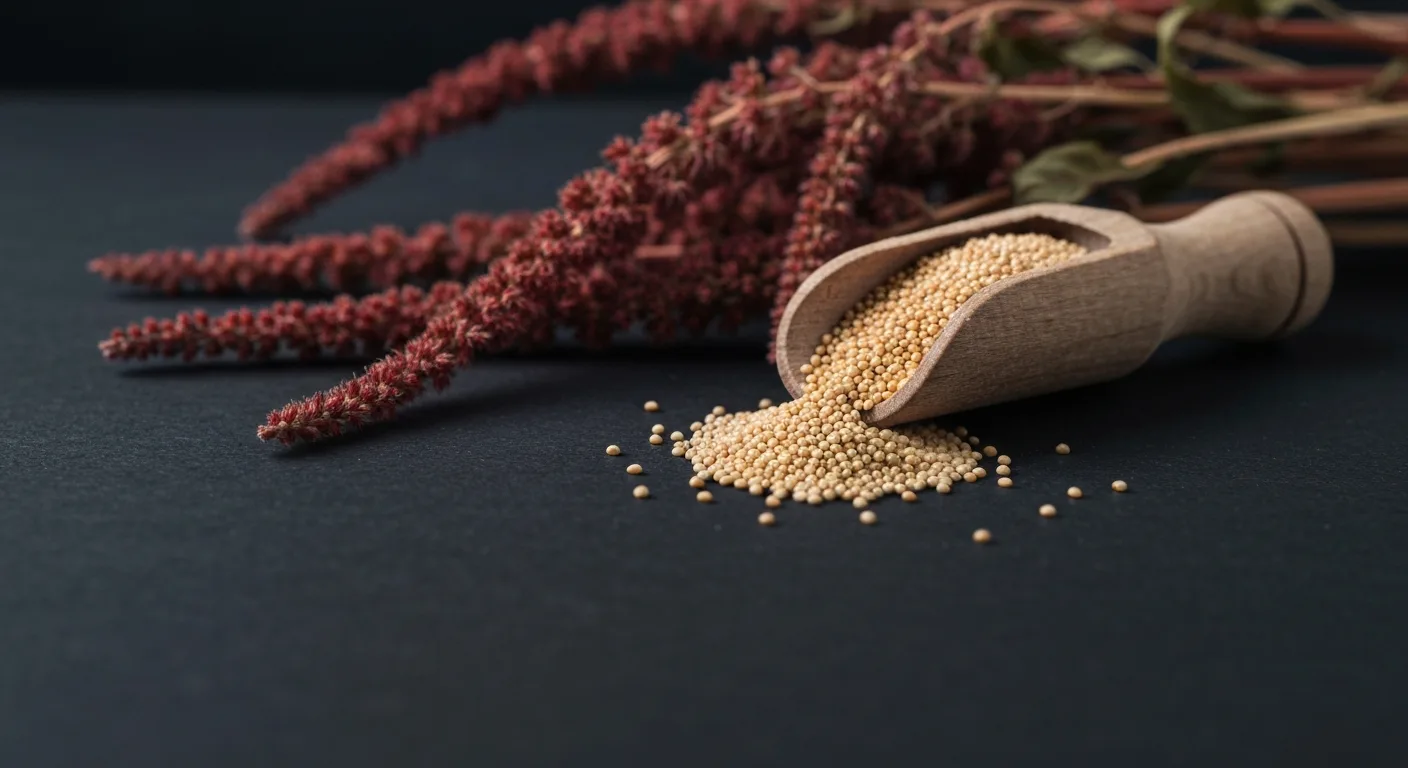
Amaranth: Nutrition, Cooking, and History of the Aztec Superfood
Discover amaranth — the tiny grain packed with complete protein, calcium, and iron that sustained the Aztec empire and is now a global superfood.