Barley: The Ancient Grain Behind Bread, Beer, and Beta-Glucan
Barley is one of the world's oldest cultivated grains. Discover its nutrition, remarkable soluble fiber, hulled vs. pearl varieties, cooking methods, and gluten status.
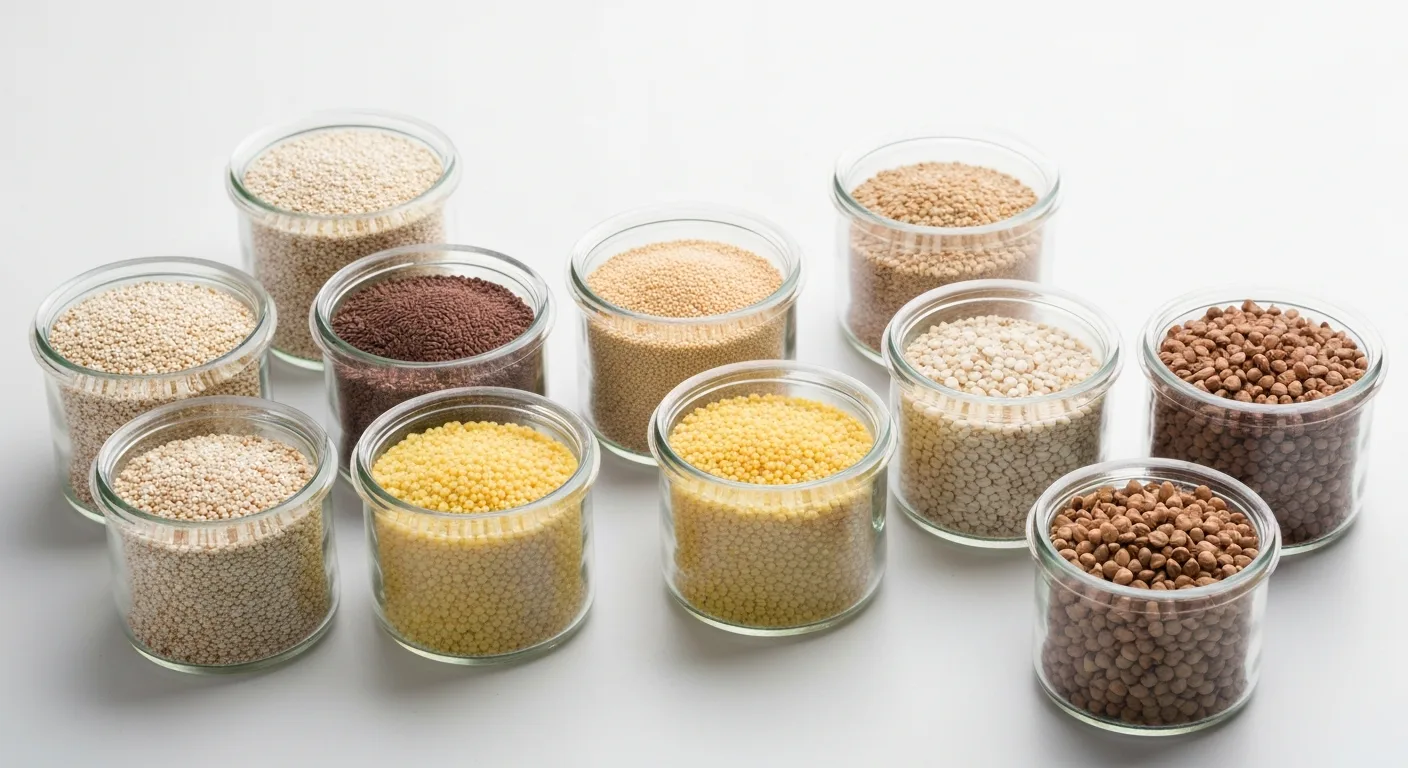
Barley is one of the founding crops of civilization. Domesticated in the Fertile Crescent more than 10,000 years ago, it fed the builders of the first cities, was rationed to Egyptian pyramid workers, and gave the world both bread and beer long before wheat became dominant. Today barley is often overlooked in the ancient-grains conversation, yet it holds a distinction no trendier grain can match: it is the single best dietary source of beta-glucan, the soluble fiber with the strongest evidence for lowering cholesterol.
What Is Barley?
Barley (Hordeum vulgare) is a cereal grass in the Poaceae family, a close relative of wheat and rye within the Triticeae tribe. It was among the first grains humans domesticated, cultivated alongside einkorn and emmer wheat in the Neolithic Near East.
Barley is remarkably adaptable. It tolerates cold, drought, and saline soils better than wheat, which is why it thrives from the Tibetan plateau to the Scandinavian north and the highlands of Ethiopia. This hardiness made it a survival crop across a wider range of climates than almost any other cereal.
Two forms dominate the market, and the difference matters nutritionally:
- Hulled barley (also called dehulled or whole barley) has only the inedible outer hull removed, leaving the bran and germ intact. It is a true whole grain — chewier, nuttier, and significantly more nutritious.
- Pearl (pearled) barley has been polished to remove the bran along with the hull. It cooks faster and has a softer texture, but the refining strips away much of the fiber and many minerals. It is technically not a whole grain.
For maximum nutrition, choose hulled barley. Pot barley (or “scotch barley”) sits between the two — lightly pearled, retaining more bran than fully pearled barley.
A Brief History
Barley’s archaeological trail is among the oldest of any crop. Charred grains have been dated to roughly 10,000 years ago in the Jordan Valley. It was the primary bread grain of ancient Egypt and Mesopotamia, a staple ration for laborers and soldiers, and the raw material for the earliest beers — Sumerian brewing records predate written recipes for almost anything else.
In classical Greece, barley porridge and barley cakes were everyday foods, and athletes reportedly trained on barley-based diets. As wheat’s superior baking qualities won out over the centuries, barley shifted toward animal feed and malting. Roughly two-thirds of the global barley crop today goes to livestock feed and beer or whisky production, with only a modest share eaten directly — a reversal of its ancient role that its nutritional profile hardly justifies.
Barley Nutrition
Hulled barley is a nutritional standout, particularly for fiber. Values per 100 g of cooked hulled barley are approximately:
- Calories: 123
- Protein: 2.3 g
- Fiber: 3.8 g (hulled; pearl barley is lower)
- Manganese: significant (a top source among grains)
- Selenium, magnesium, phosphorus, copper: notable amounts
- B vitamins: especially niacin and thiamin
The headline nutrient is fiber. Dry hulled barley delivers around 17 g of fiber per 100 g — among the highest of any whole grain, rivaling freekeh. For a full comparison of the highest-fiber ancient grains, see our ancient grains fiber guide.
The Beta-Glucan Advantage
What sets barley apart is not just total fiber but the type. Barley is exceptionally rich in beta-glucan, a soluble fiber concentrated throughout the grain (unlike oats, where it sits mainly in the bran). Beta-glucan forms a viscous gel in the digestive tract that:
- Binds bile acids and lowers LDL (“bad”) cholesterol — the effect is strong enough that both the FDA and European authorities permit an official heart-health claim for barley beta-glucan.
- Slows gastric emptying and blunts post-meal blood sugar spikes, giving barley a low glycemic index.
- Feeds beneficial gut bacteria as a fermentable, prebiotic fiber.
Because beta-glucan is distributed through the whole kernel rather than just the outer layers, even pearl barley retains meaningful amounts — though hulled barley provides more.
Does Barley Contain Gluten?
Yes. Barley contains gluten and is not safe for people with celiac disease or wheat allergy. Its gluten-forming protein is called hordein. Barley is one of the three grains — alongside wheat and rye — that must always be avoided on a strict gluten-free diet.
This is a common point of confusion, because barley is frequently grouped with naturally gluten-free “ancient grains” like quinoa, amaranth, teff, and millet. Those pseudocereals and gluten-free grasses are safe for celiacs; barley is not. Malt, malt extract, malt vinegar, and most beers are barley-derived and also contain gluten. If you need to avoid gluten, see our guide to genuinely gluten-free ancient grains and our celiac disease guide.
How to Cook Barley
Barley is forgiving and versatile. Rinse it first, then simmer in plenty of water:
- Hulled barley: Use a 1:3 ratio of barley to water. Bring to a boil, reduce to a simmer, cover, and cook 45–60 minutes until tender but still chewy. Soaking overnight cuts the time to about 30–40 minutes.
- Pearl barley: Use a 1:3 ratio and simmer 25–30 minutes. No soaking needed.
Cooked barley roughly triples in volume. For a risotto-style dish (“barlotto”), cook it uncovered with less liquid added gradually, stirring to release starch for a creamy texture. Barley also pressure-cooks well, cutting hulled barley to about 20 minutes.
For how these times compare across every heritage grain, see our master ancient grains cooking guide.
Flavor and Culinary Uses
Barley has a mild, earthy, faintly sweet flavor and a satisfying, resilient chew that holds up well in long-cooked dishes. Classic uses include:
- Soups and stews: Barley is the definitive addition to beef-and-vegetable and mushroom-barley soups, thickening the broth as its starch releases.
- Grain bowls and salads: Chewy and sturdy, it holds dressing well and stays distinct rather than turning mushy.
- Barley risotto (barlotto): A whole-grain alternative to arborio rice.
- Breakfast porridge: Simmered with milk or water and sweetened like oatmeal.
- Pilafs: A hearty stand-in for rice, especially good with mushrooms and toasted nuts.
Buying and Storage
Choose hulled or pot barley over fully pearled barley when nutrition is the priority; reserve pearl barley for dishes that need a softer, quicker-cooking grain. Store dry barley in an airtight container in a cool, dark place, where it keeps 6–12 months, or up to two years frozen. Because hulled barley retains its oil-rich germ, it can eventually go rancid — buy it in quantities you will use within a few months.
Barley’s Place Among Ancient Grains
Barley rarely gets the marketing shine of quinoa or farro, but it earns its place among the ancient grains on merit: one of the oldest crops in cultivation, a low-glycemic whole grain, and the premier dietary source of cholesterol-lowering beta-glucan. Its only real limitation is its gluten content, which rules it out for celiacs. For everyone else, hulled barley is one of the most affordable, nutritious, and versatile grains you can keep in the pantry.
To see how barley fits alongside the other heritage grains, explore our complete ancient grains list, or compare fiber content in our ancient grains fiber guide.
Last updated July 22, 2026
Related reading
Ancient Grains and Fiber: The Best Grains for Digestive Health
Discover which ancient grains are highest in fiber and how they support gut health, regularity, and the microbiome.
Amaranth: Nutrition, Cooking, and History of the Aztec Superfood
Discover amaranth — the tiny grain packed with complete protein, calcium, and iron that sustained the Aztec empire and is now a global superfood.
Einkorn: The World's First Cultivated Wheat
Einkorn is the original domesticated wheat from 10,000 years ago. Discover its unique nutrition, simpler gluten structure, and rich buttery flavor.
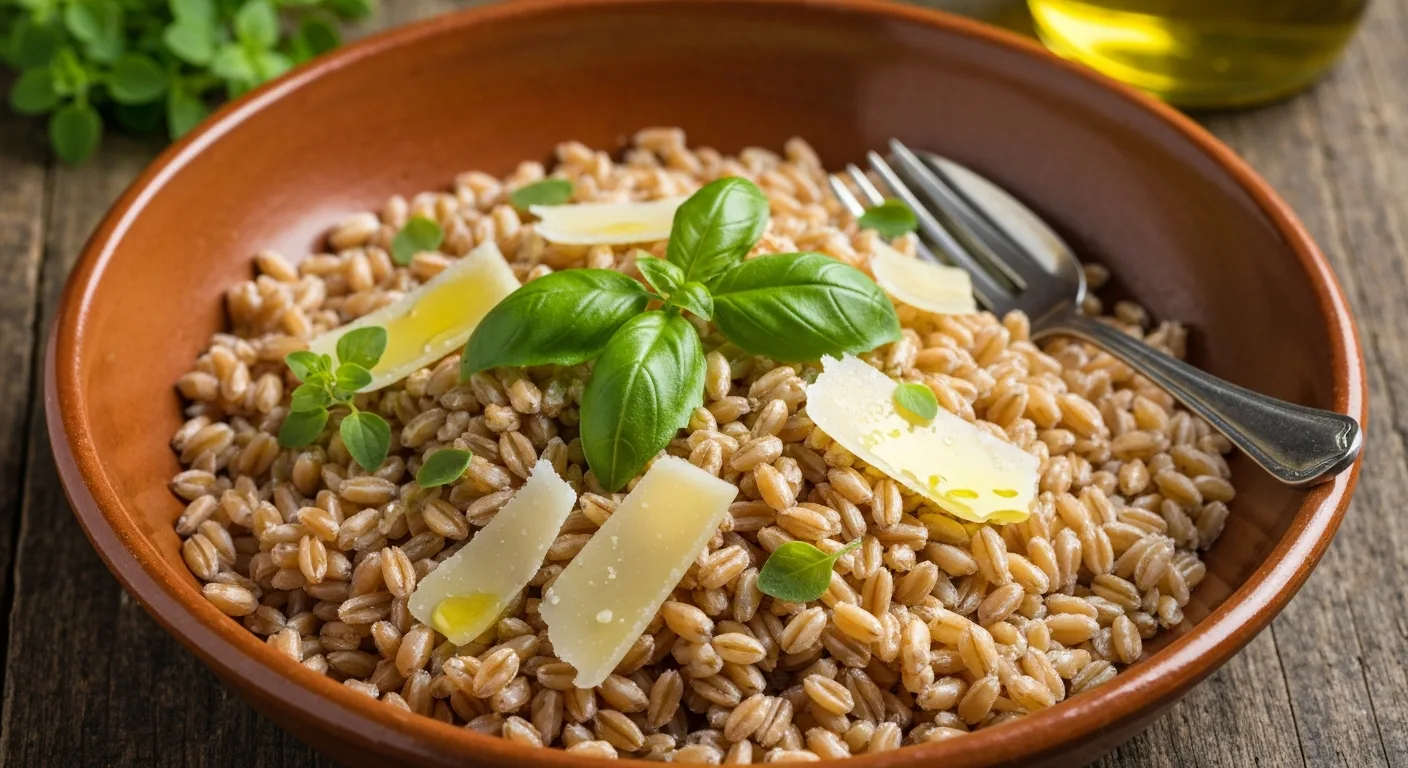
Farro: Italy's Beloved Ancient Wheat — Nutrition, Cooking, and Uses
The complete guide to farro — the chewy, nutty Italian grain that comes in three types. Learn about nutrition, cooking methods, and why chefs love it.