Red vs White vs Black Quinoa: What's the Difference?
How the three quinoa colors differ in taste, texture, cook time, and nutrition — and which one to reach for in salads, bowls, breakfast, and baking.
Walk down the grain aisle and quinoa comes in at least three colors — white, red, and black — plus a tri-color blend of all three. They are the same plant (Chenopodium quinoa), and nutritionally they are close cousins. The real differences are in taste, texture, and cook time, and those differences are big enough to change which one you should buy for a given dish.
Here is how the three compare, and how to choose. If you want the full cooking method for any of them, our guide to cooking quinoa walks through rinsing, ratios, and technique step by step.
The Short Answer
- White quinoa — mildest, fluffiest, fastest. The all-purpose default and the best starting point.
- Red quinoa — earthier and nuttier, holds its shape. Best for salads and anywhere you want distinct grains.
- Black quinoa — sweetest and crunchiest, most striking on the plate. Best when texture and visual contrast matter.
- Tri-color — a blend; looks beautiful but cooks unevenly.
Taste and Texture
This is where the colors genuinely diverge.
White quinoa (sometimes labeled ivory or golden) is the mildest of the three. It cooks up soft and fluffy, with the most neutral, gently nutty flavor. Because it is so mild, it takes on seasonings and sauces well and disappears into a dish rather than dominating it.
Red quinoa has a deeper, earthier, nuttier taste and a firmer bite. The key practical difference: red quinoa holds its shape far better than white after cooking. The grains stay separate and distinct instead of going soft, which is why it shines in cold salads and dishes that sit for a while.
Black quinoa is the most assertive — slightly sweet with earthy undertones and the crunchiest texture of the three. It keeps a firm, almost poppy bite even when fully cooked, and it makes the most dramatic presentation.
Cook Time and Method
The colors cook at slightly different rates, which is why the tri-color blend can be tricky.
| Type | Stovetop time | Texture when done |
|---|---|---|
| White | 12–15 min | Soft, fluffy |
| Red | 15–17 min | Firm, distinct grains |
| Black | 15–18 min | Crunchy, holds shape |
| Tri-color | ~16 min | Uneven (use red’s timing) |
All colors use the same 1:1.5 quinoa-to-water ratio and all should be rinsed first to remove bitter saponins — the step that most often ruins a batch regardless of color. Because tri-color mixes grains that finish at different times, use the timing for red quinoa as your guide and accept that the white grains will be a touch softer.
Nutrition: Are They Really Different?
Nutritionally, the three colors are more alike than different. All are gluten-free, all provide complete protein with roughly 8 grams per cooked cup, and all deliver similar fiber and mineral content. See our quinoa profile and ancient grains protein guide for the full numbers.
The one meaningful difference is antioxidants. The pigments that give red and black quinoa their color are betalains and other flavonoids — the same family of plant compounds that make beets red. Studies have found red and black quinoa contain higher levels of these antioxidant compounds than white. So “is red quinoa good for you?” — yes, and marginally more so than white on the antioxidant front.
That said, the gap is modest. If you eat quinoa for protein, fiber, and steady energy, any color delivers. Choose color for the kitchen result you want, and treat the extra antioxidants in red and black as a small bonus. For how quinoa’s carbs and glycemic index work across all colors, see is quinoa a carb?.
Which Quinoa Should You Buy?
Match the color to the job:
- Everyday cooking, side dishes, first-timers → white. Fluffiest, mildest, most forgiving.
- Cold salads and grain bowls → red. It stays distinct and does not turn to mush after a night in the fridge.
- Show-plate dishes, garnishes, extra crunch → black. Firm texture and dramatic color.
- Breakfast porridge → white, for its softer, creamier finish.
- Baking and blending → white, since its neutral flavor and soft texture integrate best.
- You cannot decide → tri-color, accepting slightly uneven texture for the visual payoff.
If you keep just one on hand, make it white — it does the most jobs acceptably. If you keep two, add red for salads.
Frequently Asked Questions
Is red quinoa healthier than white quinoa? Slightly. Red quinoa contains more antioxidant pigments, but protein, fiber, and minerals are nearly identical across colors. The difference is real but small.
Is tri-color or white quinoa better? Tri-color looks more interesting and adds a touch more antioxidants, but it cooks unevenly. White is more reliable and better for beginners and for dishes where texture consistency matters.
Why is my red quinoa still crunchy? Red quinoa is naturally firmer than white and takes a couple of extra minutes. If it is still hard, add a splash more water, cover, and cook 3 to 5 minutes longer, then rest off heat.
Does the color change how I cook it? Only the timing. All colors use the same 1:1.5 water ratio and all need rinsing first. Red and black simply take a few minutes longer than white.
Can I substitute one color for another in a recipe? Almost always, yes — just adjust cook time and expect a texture difference. Red or black in place of white will give you firmer, more distinct grains; white in place of red will be softer.
Last updated August 10, 2026
Related reading
Quinoa vs Rice: Nutrition, Calories, and Which Is Healthier
A head-to-head comparison of quinoa and rice — protein, fiber, calories, glycemic index, and how to swap one for the other in real meals.
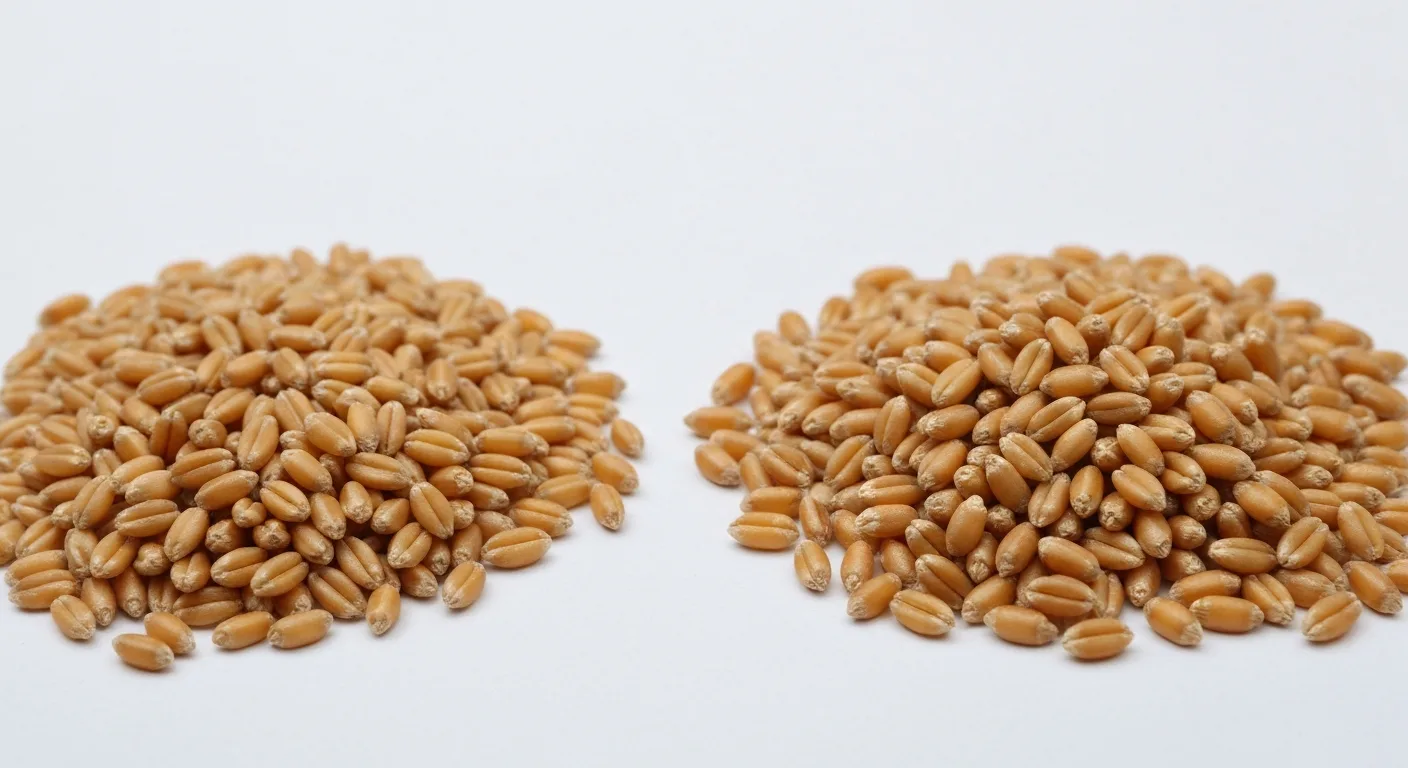
Einkorn vs Modern Wheat: The Original Wheat Compared
Einkorn is the oldest cultivated wheat. Discover how this ancient grain compares to modern bread wheat on nutrition, gluten, taste, and more.
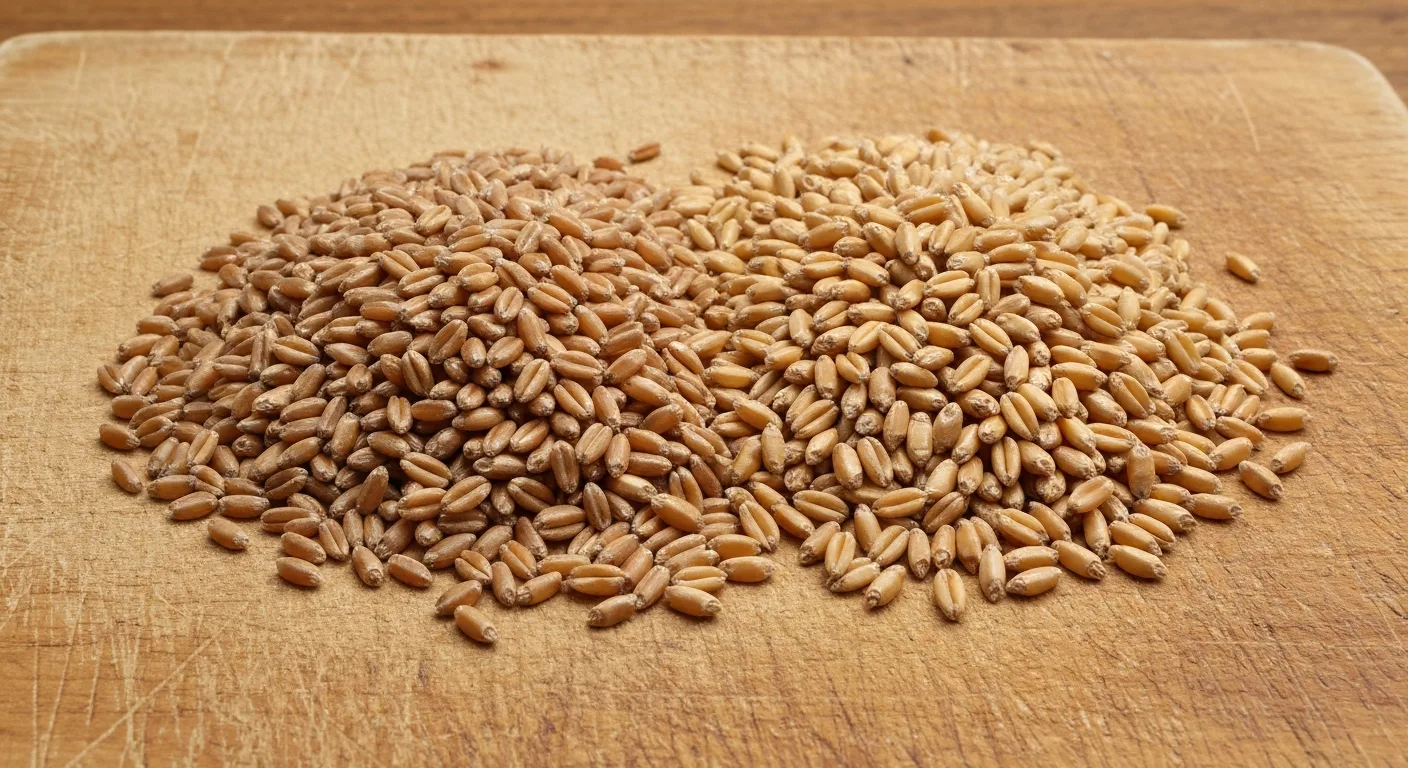
Spelt vs Wheat: Nutrition, Taste, and Baking Differences
How does spelt compare to modern wheat? We break down the nutritional, culinary, and agricultural differences between these two grains.
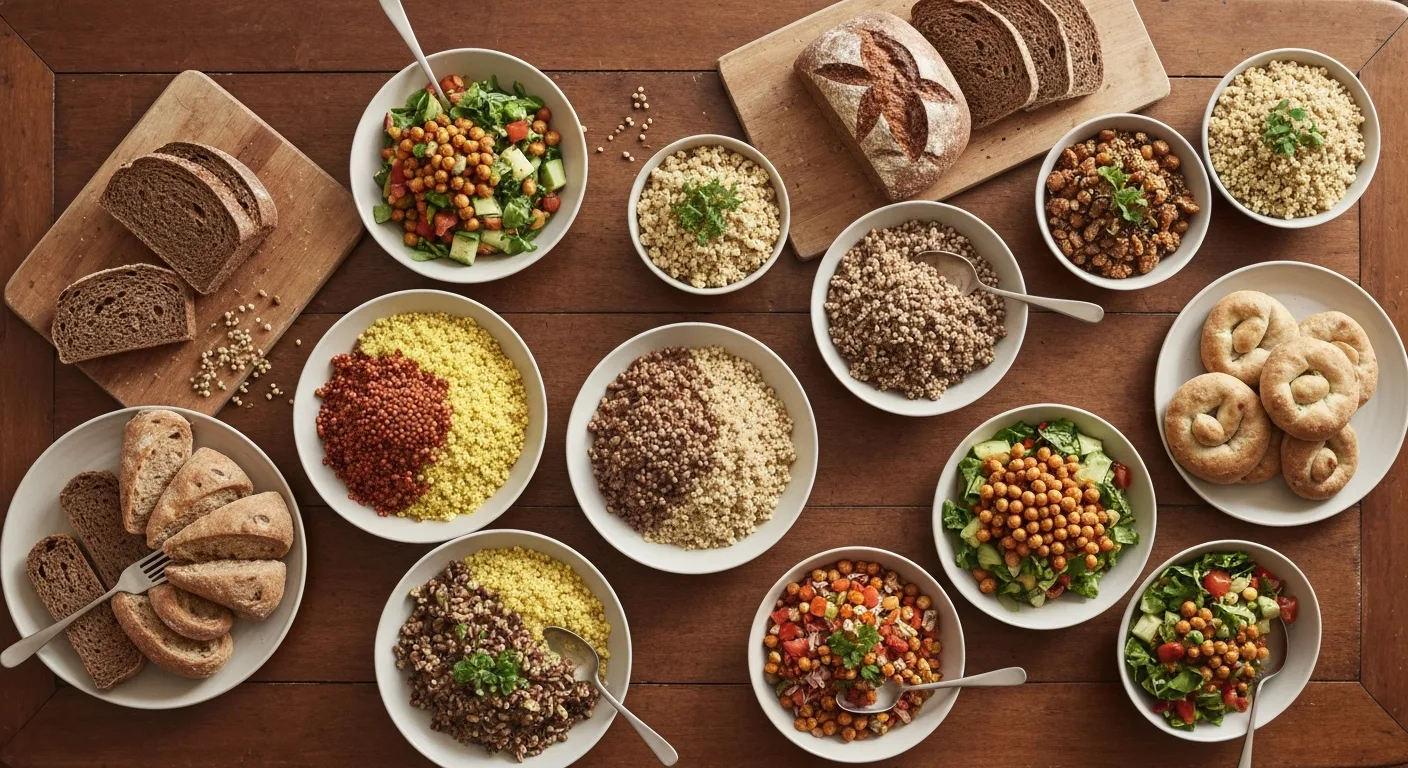
Ancient Grains Recipes: 15 Easy and Delicious Ideas
From quinoa bowls to farro risotto — 15 approachable recipes that showcase the versatility and flavor of ancient grains.